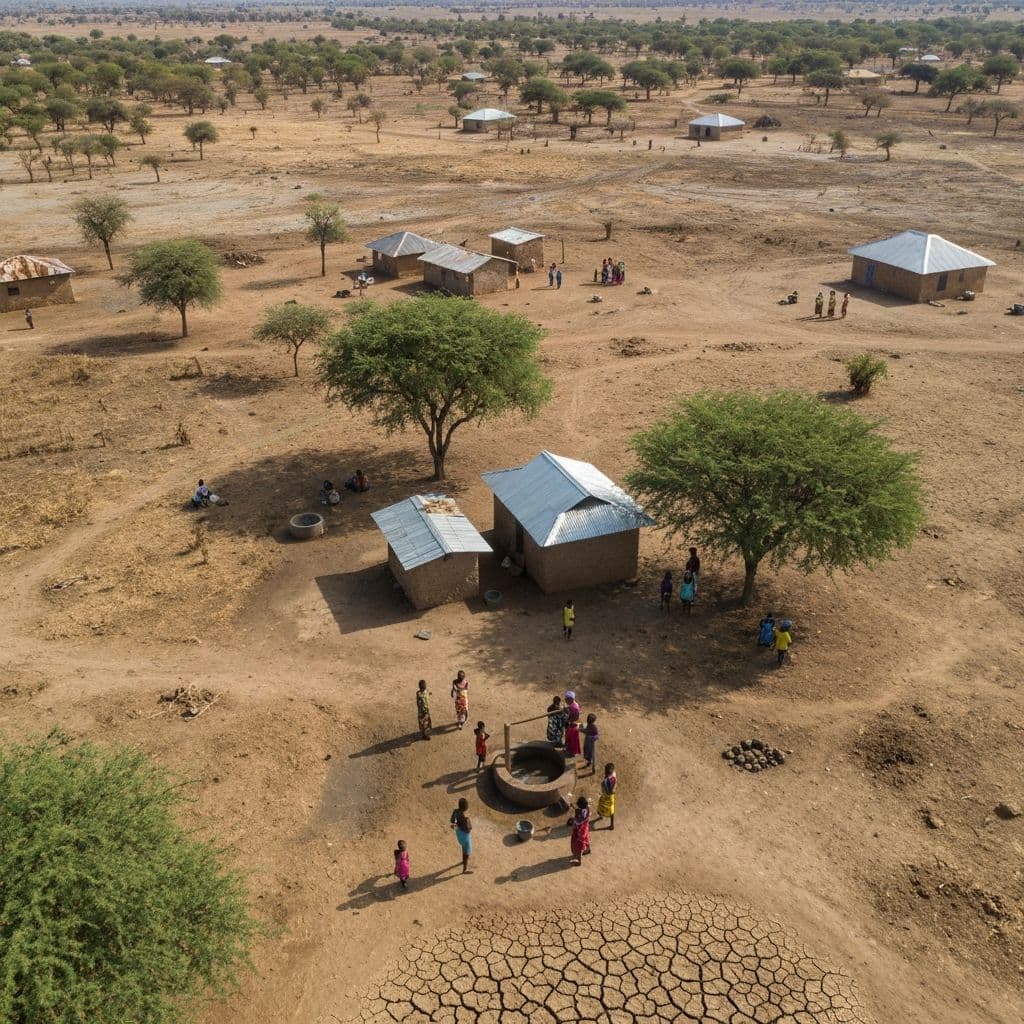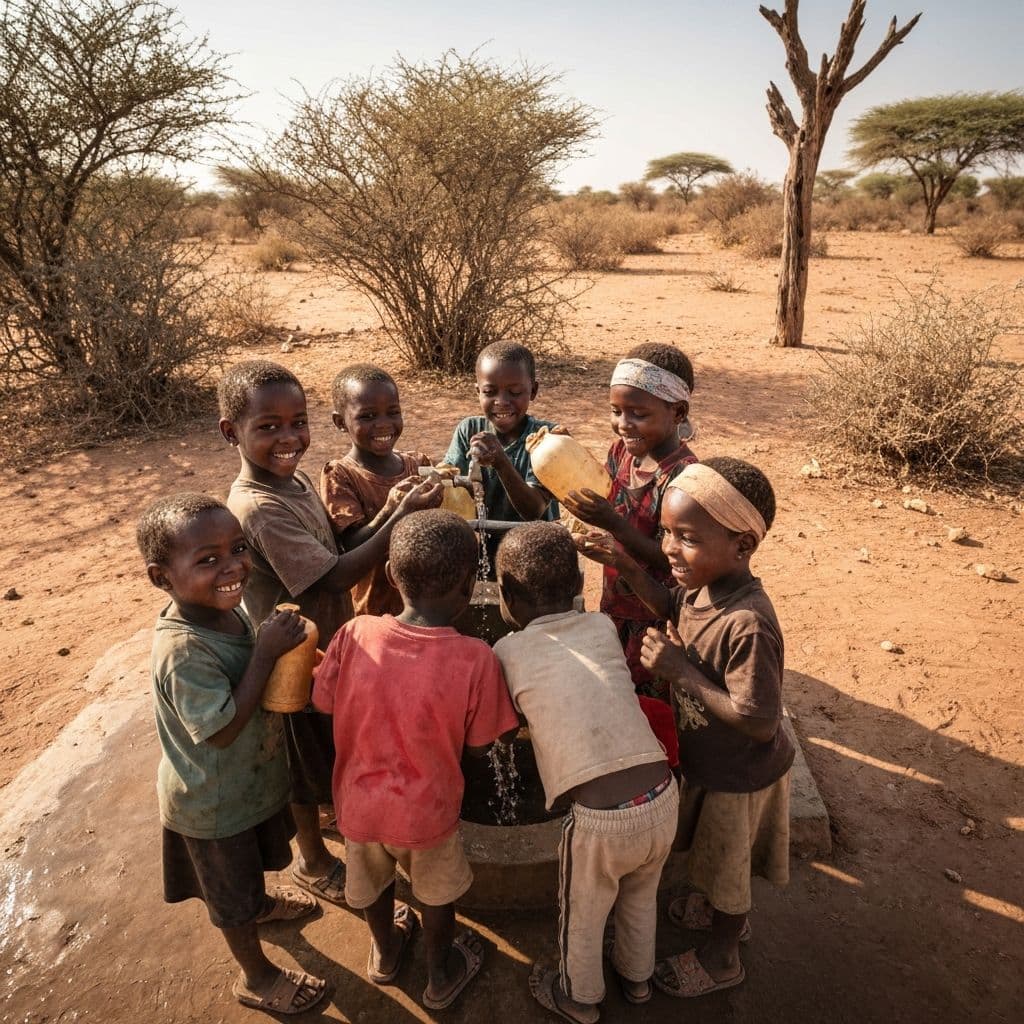
In the rolling hills of the Eastern Cape, where dirt roads wind through scattered homesteads, access to clean water has long been a daily challenge. For generations, women and children walked kilometres to collect water from rivers and streams. Today, that reality is changing as Amatola Water extends its reach to serve even the most remote communities.
The Challenge of Rural Access
Rural water supply presents unique challenges. Scattered populations, difficult terrain, and limited infrastructure make conventional water systems expensive and complex to implement. Yet the need is undeniable—without access to safe water, communities struggle to break cycles of poverty and disease.
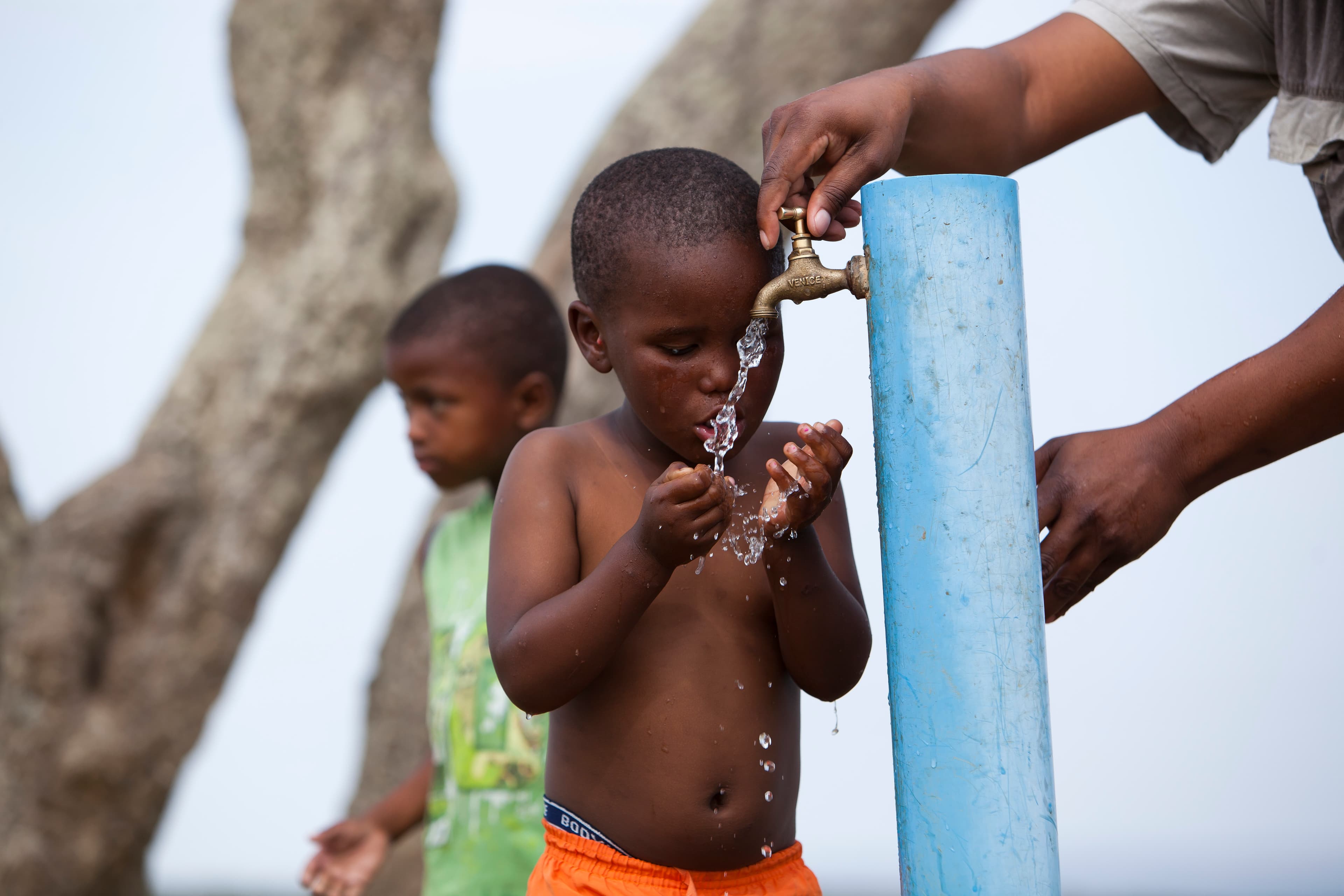
Before our interventions, many rural residents relied on untreated water sources that posed serious health risks. Waterborne diseases were common, and the burden of water collection—falling primarily on women and girls—limited opportunities for education and economic participation.
Our Approach
Amatola Water works closely with municipalities, traditional authorities, and community organisations to develop appropriate solutions for each area. This collaborative approach ensures that infrastructure meets local needs and that communities are equipped to maintain systems for the long term.
Rural Water Solutions:
- Community standpipes providing shared access points
- Borehole development with hand pumps or solar-powered systems
- Small-scale treatment works for village supplies
- Rainwater harvesting support for individual households
- Training programs for local water committees
Stories of Change
In the village of KwaNobuhle, the arrival of piped water marked a turning point. Grandmother Nomvuyo Mabaso, who once walked three kilometres each day for water, now has a standpipe just 200 metres from her home. 'My grandchildren can focus on their schoolwork now,' she shares. 'Before, they spent hours helping me carry water.'
"Water is life—and now we have life flowing right into our community. Our children are healthier, our gardens are growing, and we have hope for the future."
— Village Elder, KwaNobuhle
Similar stories echo across the Eastern Cape. In each community reached, we see improvements in health outcomes, increased school attendance, and new economic opportunities. Women who once spent hours on water collection now have time for income-generating activities and community involvement.
Building Local Capacity
Sustainable water access requires more than infrastructure—it requires empowered communities. Our Institutional and Social Development team works with local water committees, training members in basic maintenance, financial management, and water conservation. These skills ensure that communities can sustain their water systems independently.
Young people from rural areas are also encouraged to pursue careers in the water sector. Through bursaries and internship programs, we're developing the next generation of water professionals who understand both technical requirements and community needs.
The Road Ahead
Much work remains to achieve universal water access in the Eastern Cape. Amatola Water is committed to continuing this vital work, partnering with government, donors, and communities to extend services to every household. The transformation we've witnessed in communities already served drives our determination to reach those still waiting.